
Health, safety and the environment
Petroleum products are flammable, some are toxic, and all of them harm the water they spill into. The rules of this industry were mostly written after something went badly wrong.
What makes this work hazardous
| Hazard | How it happens | Main controls |
|---|---|---|
| Vapor cloud fire and explosion | Gasoline vapor is heavier than air and can travel to an ignition source far from the leak. | Overfill prevention, leak detection, ignition control, remote isolation valves |
| Static electricity | Fast-flowing product builds charge, which can ignite vapor when it discharges. | Bonding and grounding, slower initial flow rates, and waiting periods before gauging |
| Hydrogen sulfide | Heavy fuels and sour products release toxic gas into tank headspaces. It can deaden the sense of smell. | Personal gas monitors, standing upwind when opening hatches, closed gauging |
| Benzene exposure | Gasoline contains benzene, a known carcinogen, and exposure can occur during sampling and gauging. | Closed sampling, respiratory protection, exposure monitoring |
| Confined spaces | Tanks can have too little oxygen or too much vapor. Rescuers have died along with the people they tried to save. | Entry permits, gas testing, ventilation and a rescue plan before anyone enters |
| Spills to water | Overfills, hose failure or a damaged hull. | Containment booms, drip trays, response contractors and regular drills |
Four incidents that changed the industry
These events are public record, and every operator should know them. None involved Admanthos.
- 1989
Exxon Valdez, Prince William Sound, Alaska
The tanker grounded on Bligh Reef and spilled about 11 million gallons of crude oil into a remote, sensitive environment.
Led to the US Oil Pollution Act of 1990, including the phase-in of double hulls, vessel and facility response plans and greater liability for spillers.
- 2005
Buncefield, Hertfordshire, England
A gasoline tank overfilled when its level gauge stuck and the independent high-level switch did not work. The vapor cloud that formed then exploded, causing one of Europe's largest peacetime fires.
Showed that vapor clouds can explode with far greater force than expected, and that compounds must also contain firefighting water.
- 2009
Caribbean Petroleum, Bayámon, Puerto Rico
A tank overfilled during a transfer from a ship, at a site where level instruments were unreliable. The resulting explosion shook the surrounding area, and fires burned for days.
The US Chemical Safety Board's findings reinforced the need for reliable, independent overfill protection and better standards at storage terminals.
- 2019
ITC, Deer Park, Texas
A leak from a tank's circulation system ignited and spread through a tank compound, and the fire burned for days. The site had no flammable gas detection on the line and no remote isolation valves on the tanks.
Remote isolation and gas detection are especially important at tank farms where tanks stand close together.
Controls that should be routine
Authority to stop work
Anyone should be able to stop a job they think is unsafe, without penalty. If a schedule can overrule that, the rule means little.
Permit to work
Hot work, tank entry and line breaking all need a written permit that identifies the hazards and isolations before starting.
Management of change
A new product, altered line or temporary bypass can break assumptions built into the original design, so each should be reviewed first.
Near-miss reporting
Small events point to larger ones. A reporting culture depends on people trusting that they will not be blamed for reporting.
Testing protective systems
Overfill alarms, emergency valves and fire pumps are rarely needed, so they must be tested on a schedule to prove they still work.
When there is a spill
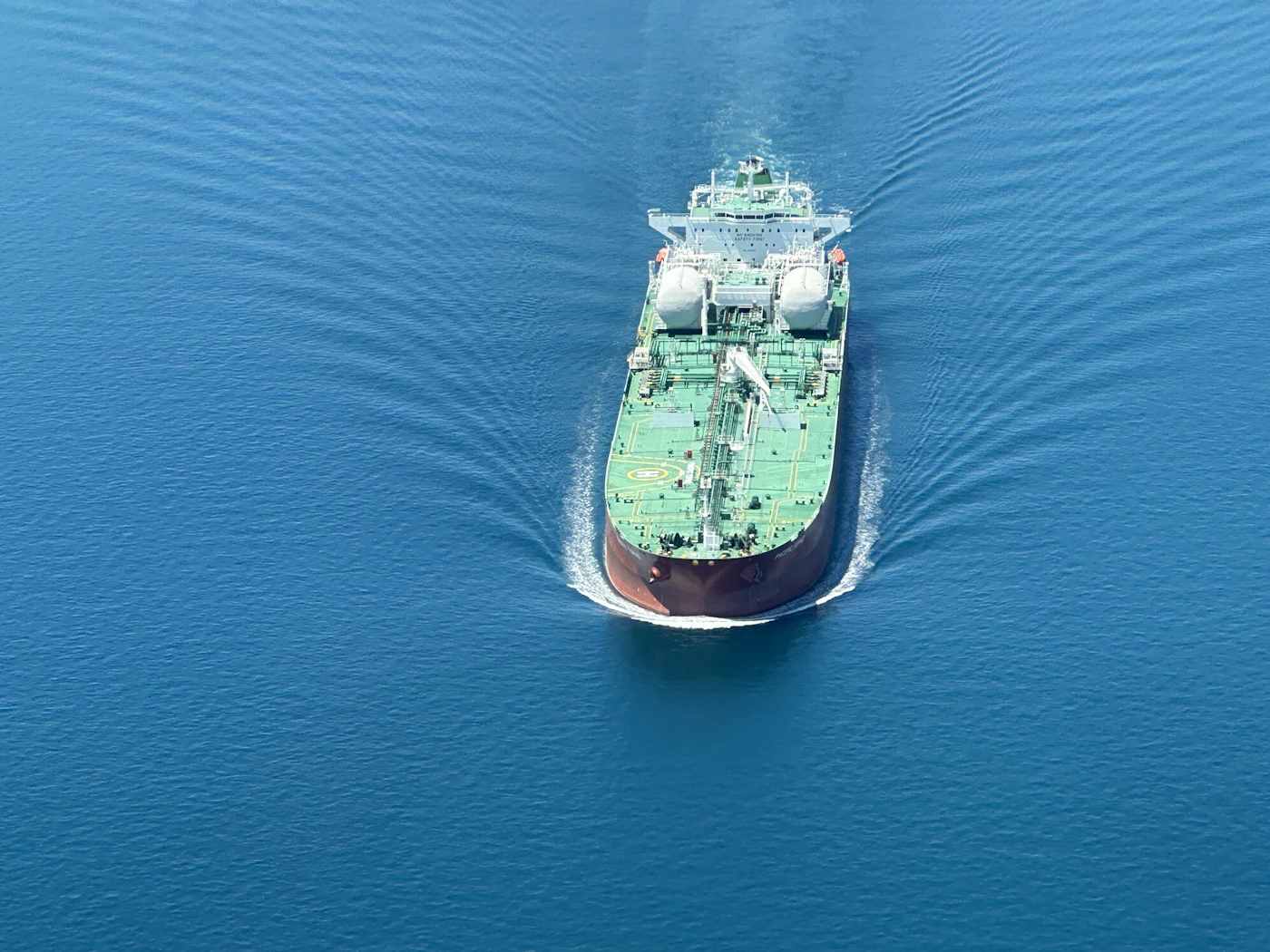
In the US, a spill to navigable waters must be reported immediately to the National Response Center, and larger tank vessels and facilities must have response plans that name a qualified individual and contracted response resources.
The first minutes count most. Stop the source, shut the valves, alert the terminal and the vessel, and deploy any boom in place. Cleanup can last for months, so plans need to include wildlife, shoreline and community concerns as well as the oil on the water.
Rules and standards
| Reference | Covers |
|---|---|
| SOLAS and the ISM Code | International ship safety, and safety management systems for shipping companies |
| MARPOL Annex I and VI | Oil pollution from ships, and air emissions |
| ISGOTT | Industry guidance on the safe operation of oil tankers and terminals |
| OPA 90 | US oil spill prevention, response plans and liability |
| 33 CFR Parts 154 to 156 | US Coast Guard rules for oil transfer facilities, vessels and transfer operations |
| 40 CFR Part 112 | EPA spill prevention rules (SPCC) and facility response plans |
| 29 CFR 1910.106 and 1910.119 | OSHA rules for flammable liquids and process safety management |
| NFPA 30 | Flammable and combustible liquids code |
| API 650, 653 and 2350 | Tank construction, tank inspection and overfill protection |
For HSE questions or vetting requests, contact the Stamford office.