Moving petroleum products by sea
A shipment is a chain of decisions: which vessel, on what terms, through which ports, with which documents. Most of them are made before anything moves.
Product tankers to scale
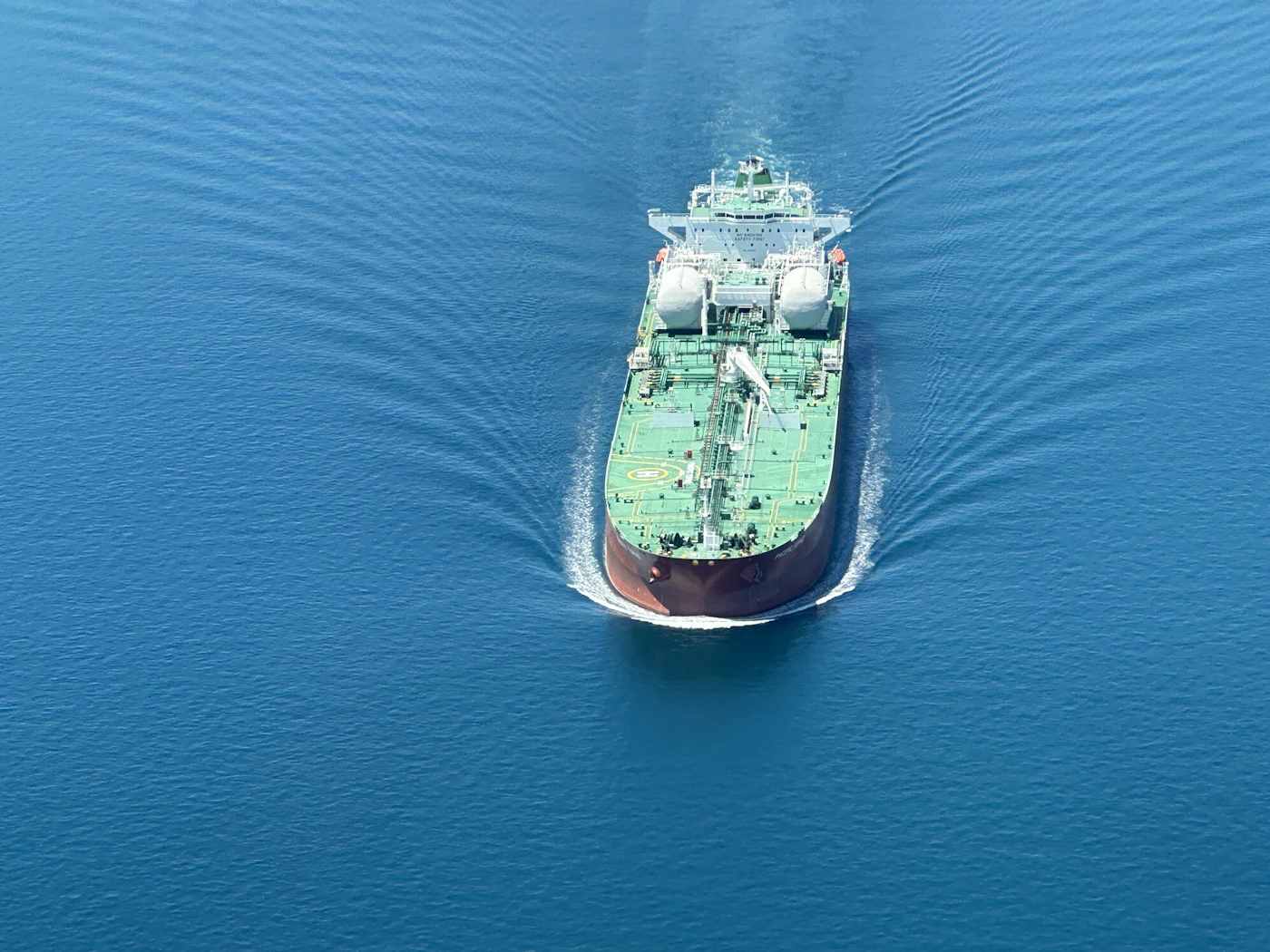
Vessel size depends on the parcel and on the shallowest and shortest point of the route. Larger ships reduce freight per ton, if the ports can take them.
| Class | Deadweight, tons | Typical cargo | Common use |
|---|---|---|---|
| General purpose | About 10,000 to 25,000 | 100,000 to 170,000 bbl | Regional and coastal trades, smaller ports |
| Medium range (MR) | About 25,000 to 55,000 | 250,000 to 340,000 bbl | The workhorse of the global clean products trade |
| Long range 1 (LR1) | About 55,000 to 80,000 | 400,000 to 500,000 bbl | Longer hauls, larger parcels of naphtha and diesel |
| Long range 2 (LR2) | About 80,000 to 160,000 | 600,000 to 750,000 bbl | Long-haul trades, such as Middle East to Europe or Asia |
Ways to secure a vessel
| Type | How it works | Who bears what | Best for |
|---|---|---|---|
| Voyage charter | One voyage at a freight rate per ton or at a Worldscale level. | The owner pays running costs and fuel. The charterer pays demurrage if laytime is exceeded. | Occasional or irregular cargoes |
| Contract of affreightment | A set volume carried over a period, with vessels nominated by the owner. | As with a voyage charter, but freight is agreed in advance. | Regular cargo programs |
| Time charter | Hire of the vessel for a period, at a daily rate. | The charterer directs the voyages and pays fuel and port costs. | Steady trade over months or years |
| Bareboat charter | Hire of the vessel alone, with the charterer providing crew and management. | The charterer takes on nearly all operating responsibility. | Long-term control without ownership |
Is this vessel right for this cargo?
Previous cargoes
Traces of the last cargo can contaminate the next one. Jet fuel and other sensitive products often have restrictions on what the previous three cargoes can have been. A move from dirty to clean service needs extensive cleaning.
Tank coatings
Epoxy and zinc silicate coatings resist different products. Each coating manufacturer publishes a resistance list that states what can be carried and how long it needs to cure.
Segregations
A vessel carrying several grades needs enough separate pumps and lines. Double-valve segregation protects grades from each other when they share a voyage.
Vetting
Most oil majors and terminals check a recent SIRE inspection report before accepting a vessel. An expired or poor report can mean refusal at the berth.
US coastwise cargoes: the Jones Act
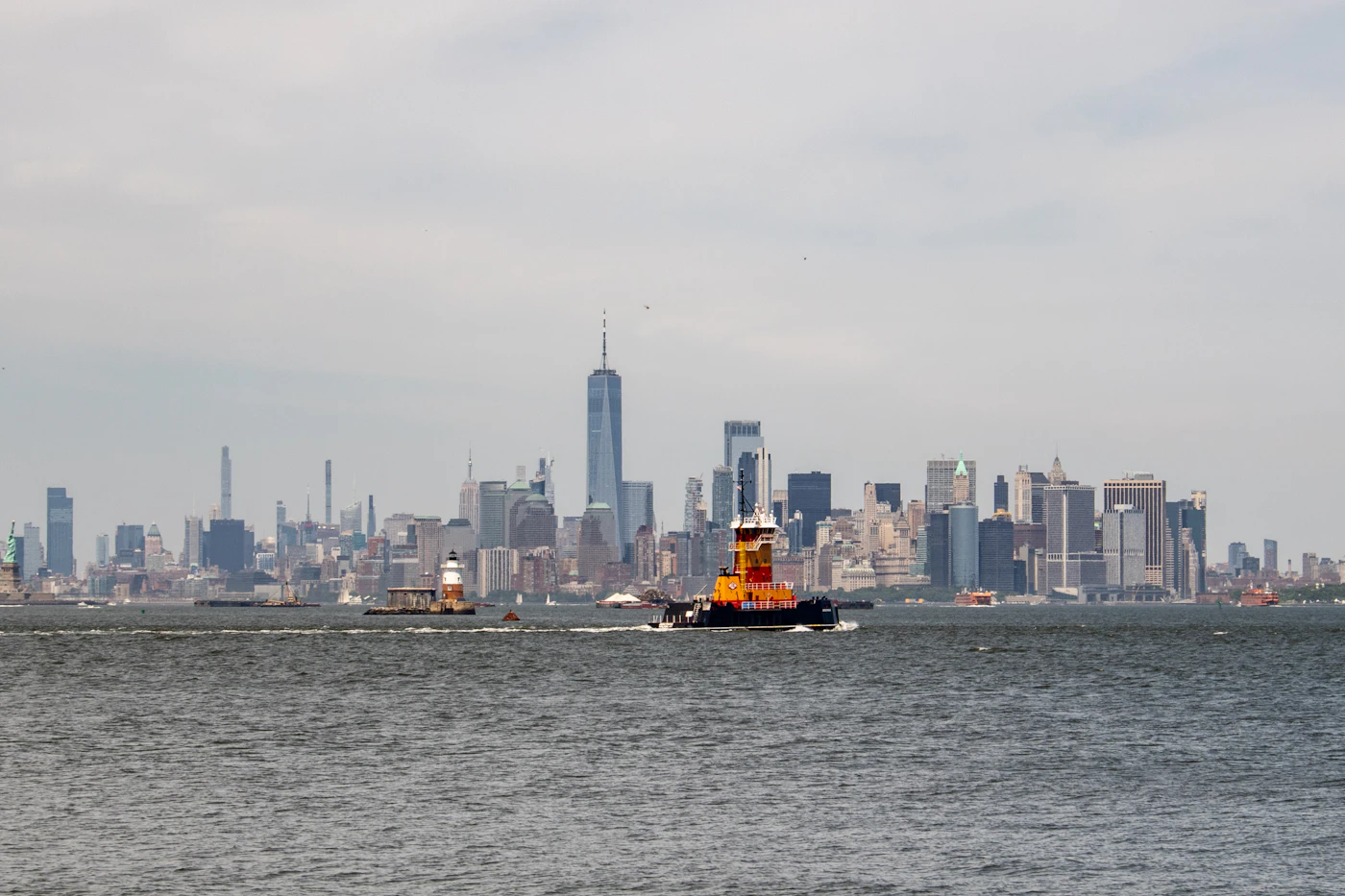
Section 27 of the Merchant Marine Act of 1920 requires that merchandise moved by water between US points travel on vessels that are US-built, US-owned and US-crewed. This applies to petroleum products going from the Gulf Coast to the East Coast, for example.
Jones Act tankers and barges are few and cost far more to run than the international fleet. As a result, it can sometimes be cheaper for East Coast buyers to import from Europe than to ship from a US refinery. Waivers are rare and are usually tied to emergencies or national defense.
When you plan a US movement, check early whether the route falls under the Act. It can decide whether a deal works at all.
The document set
Original documents often move slower than the ship, so a letter of indemnity is commonly used in their place.
| Document | Issued by | What it does |
|---|---|---|
| Bill of lading | Master or carrier | Receipt, evidence of contract and, usually, title to the cargo. Banks often rely on it. |
| Certificate of quantity | Independent inspector | States the quantity measured at load or discharge. |
| Certificate of quality | Independent laboratory | Gives test results against the specification. |
| Certificate of origin | Shipper or chamber of commerce | Needed for customs, duties and sanctions checks. |
| Cargo manifest | Carrier or agent | Summarizes the cargo on board for port and customs authorities. |
| Ullage report | Vessel and inspector | Records gauging by tank, including temperature and water. |
| Statement of facts | Agent, master and terminal | The time record for laytime and demurrage. |
| Letter of protest | Either party | Formally records a disagreement, and helps preserve the right to claim. |
| Safety data sheet | Producer or shipper | Sets out product hazards and handling requirements. |
A working glossary
- All fast
- The moment a vessel's mooring lines are secured at the berth.
- B/L, bill of lading
- Receipt for the cargo, evidence of the carriage contract and, usually, a document of title.
- Charterparty
- The contract between shipowner and charterer for use of a vessel.
- Clean and dirty
- Clean tankers carry refined light products. Dirty tankers carry crude and heavy fuel oil.
- COA
- Contract of affreightment: an agreement to carry a set volume over a period, with vessels nominated as needed.
- Contango
- A market in which future prices exceed the current price, which makes storing product profitable.
- Demurrage
- Money paid to the owner when loading or discharge exceeds the agreed laytime.
- Draft
- How deep a vessel sits in the water. A port's depth may limit how much a vessel can carry.
- DWT
- Deadweight tonnage: the total weight a ship can carry, including cargo, fuel and stores.
- Laycan
- Laydays and cancelling: the window in which a vessel must present itself for loading.
- Laytime
- The time allowed for loading and discharge before demurrage begins.
- Letter of indemnity
- A guarantee used, for example, to release cargo when the original bill of lading has not arrived.
- NOR
- Notice of readiness: the master's notice that the vessel has arrived and is ready to work cargo.
- OBQ and ROB
- On board quantity before loading, and remaining on board after discharge.
- Outturn
- The quantity delivered at the discharge port, as measured.
- SIRE
- OCIMF's tanker inspection program. Charterers and terminals use its reports when vetting vessels.
- Statement of facts
- The record of times and events at a port, used to calculate laytime.
- Ullage
- The empty space above the liquid in a tank, measured from a fixed reference point.
- VEF
- Vessel experience factor: a ship's historical ratio between its own figures and shore figures.
- Worldscale
- A freight rate index for tanker voyages. Rates are quoted as a percentage of a published flat rate.
What we need from you
- Product grade and quantity
- Load and discharge ports
- Laycan or preferred shipping window
- Any known vessel, draft or terminal restrictions
- Delivery terms, such as FOB, CIF or DAP, and onward delivery needs