Radar tank gauging
ProvenNon-contact radar gauges replace mechanical float-and-tape systems. They have no moving parts in the product and can achieve custody-transfer accuracy, and they feed continuous data to the control room.
Shipping and storage change slowly, and for good reason: the assets last decades and failure is costly. Here is our view of which technologies are proven, which are coming and what regulators now require.
The biggest gains here are in avoiding errors and paperwork delays, more than in technical novelty.
Non-contact radar gauges replace mechanical float-and-tape systems. They have no moving parts in the product and can achieve custody-transfer accuracy, and they feed continuous data to the control room.
API 2350 calls for overfill prevention that does not rely on a single gauge. After the incidents described on our HSE page, many terminals have added automatic shutdown to their manual alarms.
Paper originals can reach the port after the ship. Electronic systems remove that delay and much of the fraud risk, and more countries now recognize them in law under the UNCITRAL model law. Adoption still needs all parties, including banks, to take part.
Linking inspectors' figures, lab results and terminal records can shorten the time taken to close out a parcel. The main obstacle is that the data sits across many companies.
Charterparties increasingly state who pays these costs, so check the clauses.
For anyone chartering vessels, carbon is now a commercial matter as well as an environmental one. Three sets of rules matter most:
| Rule | Applies from | Effect |
|---|---|---|
| IMO EEXI | 2023 | A one-time technical efficiency requirement for existing ships. Many complied by limiting engine power, which slows some vessels. |
| IMO CII | 2023 | An annual A to E operational carbon rating. Ships rated D for three years or E for one year must submit a corrective plan. |
| EU ETS for shipping | 2024, phased in | Ships buy allowances for emissions on voyages to, from and within the EU. Coverage rose in stages to 100% of in-scope emissions. |
| FuelEU Maritime | 2025 | Limits the greenhouse gas intensity of the energy used on board for EU voyages, tightening every five years to 2050. |
A slower, cleaner ship may now cost less per ton than a faster, older one, once carbon costs are counted.
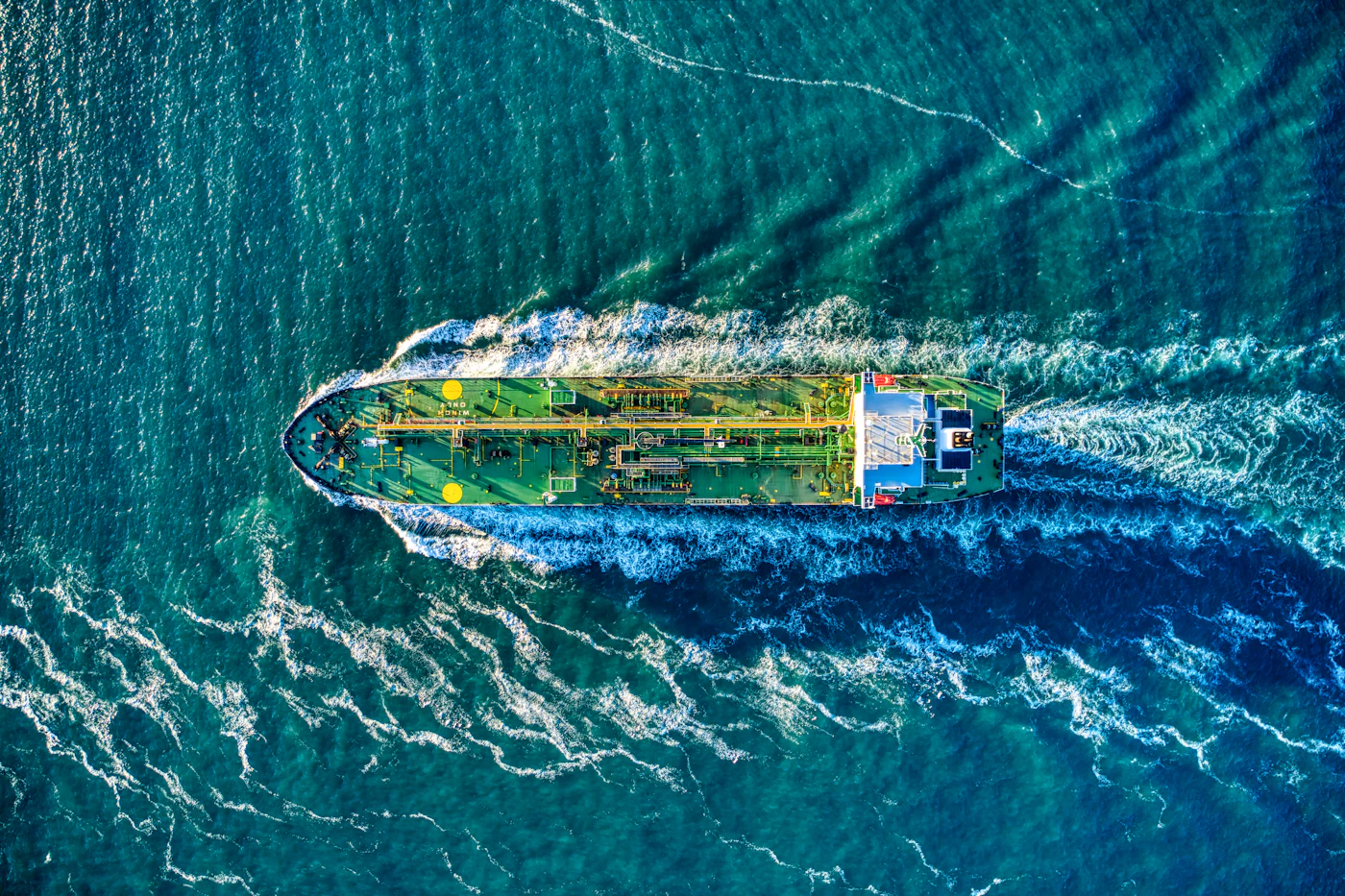
Optimizing routes around forecast weather and currents reduces fuel use and improves arrival estimates. Many operators combine it with virtual arrival, slowing down when the berth will not be ready.
Fouling can add noticeably to fuel consumption. Performance monitoring shows when cleaning pays for itself, and modern coatings extend the time between cleanings.
Propeller ducts and fins can be fitted at dry dock. Savings vary with the ship and how it operates, so vendor figures are worth checking against measured data.
Rotor sails and rigid wings are now on some tankers. They work best on long, windy routes, and deck space on a tanker is limited by the cargo piping.
New ships are being ordered as dual-fuel, but green fuel supply is limited and expensive. Ammonia also brings serious toxicity issues that the industry is still working through.
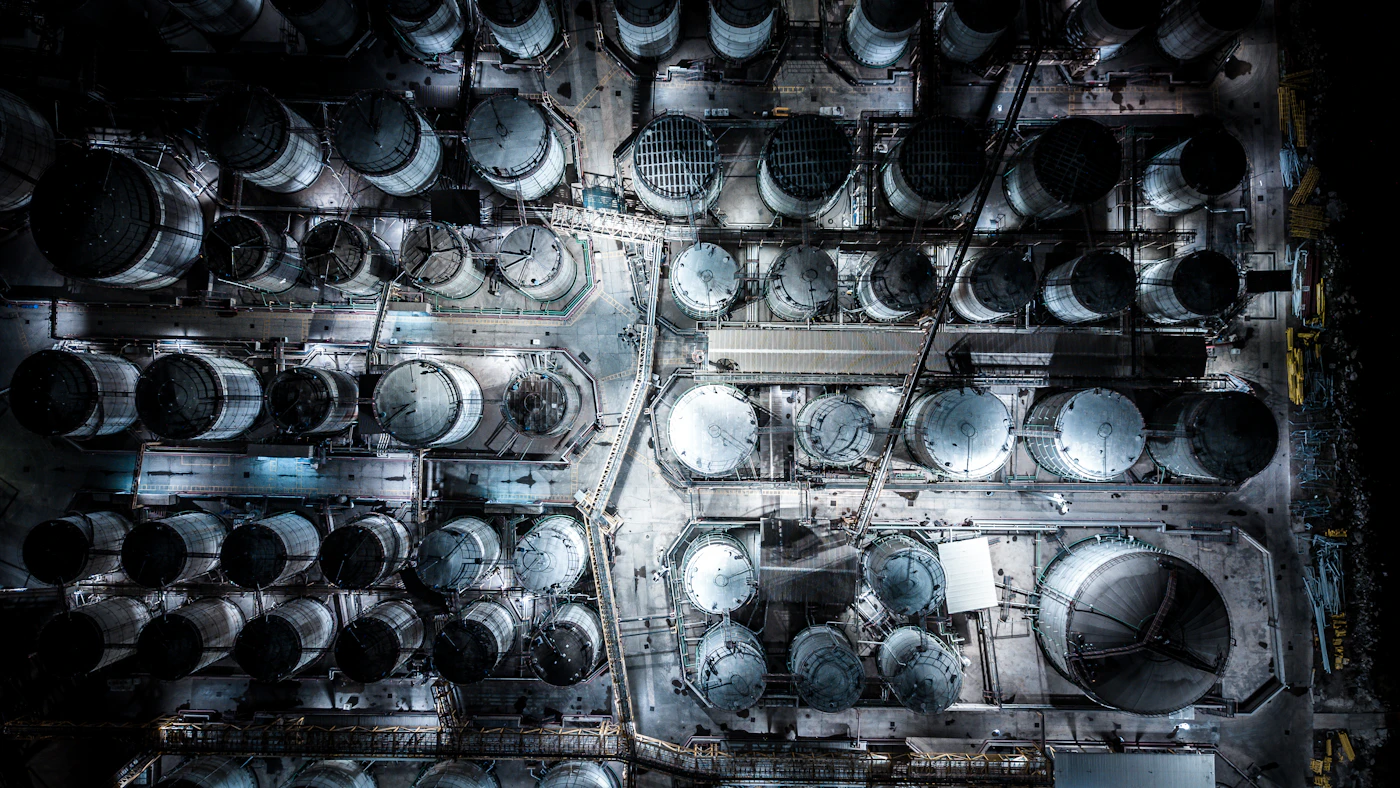
Taking a tank out of service for inspection means emptying, cleaning and gas-freeing it, with confined-space entry for the inspector. That is costly and hazardous, and API 653 sets the intervals. Technology is making some of that work avoidable:
None of these fully replaces a physical inspection, but together they direct inspection effort to where it is needed.
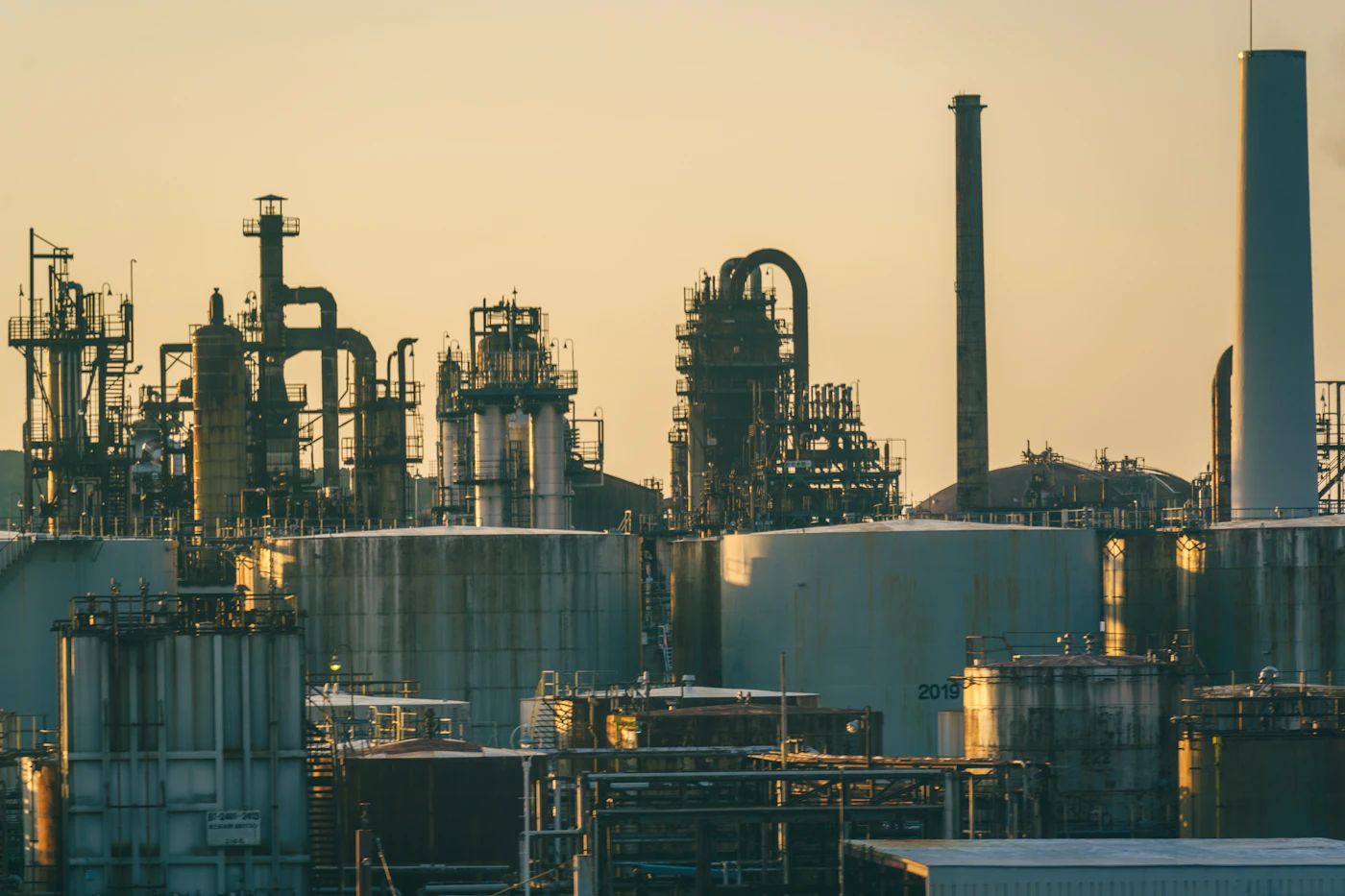
Tanks and lines built for petroleum can often take these products, though details matter, particularly for materials and the paper trail.
| Product | What it is | Handling issues |
|---|---|---|
| Renewable diesel | Hydrotreated fats and oils, chemically close to petroleum diesel. | A drop-in fuel under ASTM D975, so existing infrastructure generally suits it. Check seals and segregation requirements for credits. |
| Biodiesel | Fatty acid methyl esters, usually blended into diesel. | Attracts water, gels in the cold and can loosen old tank deposits. Jet fuel lines need protection against trace contamination. |
| Sustainable aviation fuel | Certified synthetic blendstocks, blended with conventional jet fuel. | Governed by ASTM D7566. Needs a documented chain of custody, in part because of the value of credits. |
| Higher ethanol blends | Ethanol blended into gasoline above E10. | Needs compatible materials and water control. Rules on sales and vapor pressure vary by state. |
We ask three questions of any new system, whatever the vendor promises: